Food Traceability on US Soil with RFID Tech
An image of cowboys, open ranges, and traditional farming methods may come to mind when thinking of the modern cattle ranch, but the largest in the United States are increasingly run by a high level of technology.
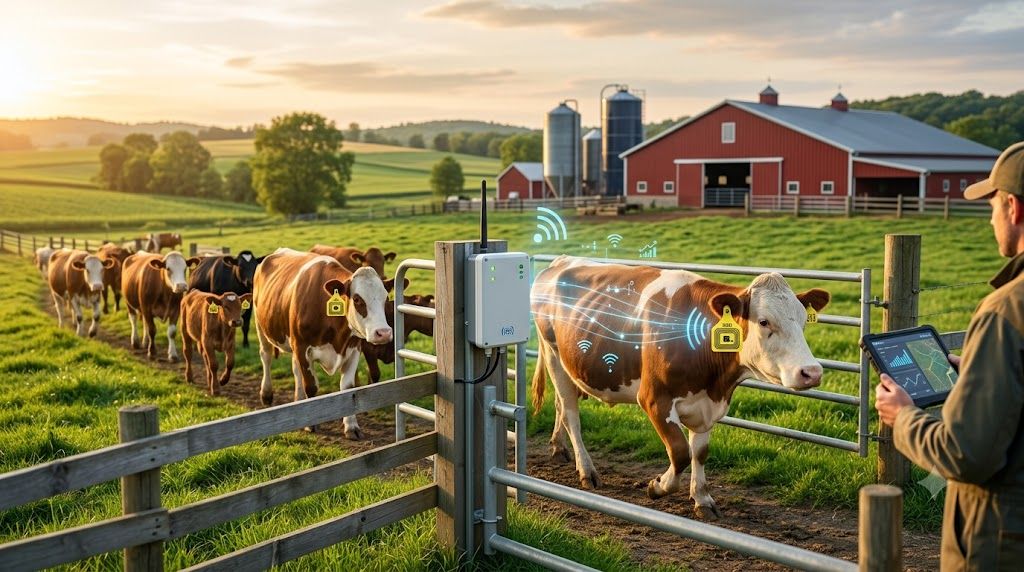
The food chain is shrinking, with consumers increasingly interested in where their food is coming from, and RFID is closing the gap between ranches and dinner plates. Choose a quality RFID personnel tracking software that can help operating your system easily.
The implementation of smart livestock tracking
RFID tags are small, durable devices that are equipped with a unique ID number and are attached to cattle. The tags can be quite tough on them, durable to withstand harsh weather, mud, dust, and the day-to-day life in a Ranch, and used to keep track of every animal they track, identify, and apply throughout their life.
Unlike conventional visual tags, RFID can automatically collect information without the need for workers to hand-record information.
The computer tag essentially serves as a digital identity for each animal, following it from birth through processing.
Research & Development of RFID on modern ranches
During the entire ranching operation, RFID readers are placed at specific points, including:
a. Feeding stations
b. Watering areas
c. Sorting gates
d. Weighing systems
e. Veterinary checkpoints
f. Transportation loading areas
As cattle move through these points, the RFID tag automatically identifies them, and important data is added to a central database.
This gives ranchers an opportunity to keep track of:
1. The growth rates and weight of animals.
2. Feeding habits
3. Vaccination records
4. Veterinary treatments
5. Breeding history
6. Movement between locations
7. Transportation records
This creates a thorough health and management history for each animal that is continually updated. The same tech can be used for RFID hospital asset tracking in medical centers.
Strengthening Food Safety
Enhanced traceability is one of the greatest benefits of livestock tracking with RFID.
In the event of an outbreak of food-borne illness, investigators can easily trace the chain of food products to determine where the illness is coming from. With the help of RFID, records can be responded to in a more targeted way rather than a broad recall, which would impact large numbers of products.
Traceability aids authorities in the following ways:
1. From what ranch was the animal?
2. Veterinary treatment history
3. Feed records
4. Transportation routes
5. Processing facility information
This transparency helps enhance the safety of consumers and cuts the noise for producers and retailers.
Benefits for Ranchers
RFID technology offers more benefits than regulatory requirements.
1) Improved Herd Management
Automated data collection minimizes paperwork and improves record-keeping.
The use of technology to improve animal health monitoring.
Continuous monitoring of weight changes, feeding actions, and treatment histories facilitates early detection of health problems.
2) The Consumer Connection
Today's shoppers are seeking more information on food production. The following are claims that RFID systems can assist in supporting:
a. Food safety
b. Animal welfare
c. Sustainable farming practices
d. Supply chain transparency
e. Product authenticity
The transparency contributes to greater trust between producers, retailers, and consumers.
Important Factors to Consider for Ranches Implementing RFID Systems
There are a few best practices that can help producers achieve better results if they are looking into implementing RFID:
1. Use rugged tags that are capable of outdoor use.
2. Connect the RFID information to the herd management software.
3. Educate employees about the use and care of tags.
4. Periodically test readers for performance and data integrity.
5. Identify health and productivity trends using analytics.
An effective RFID implementation can create lots of value over the long-term.
Whether it's on the big pasture or in the grocery store, RFID is contributing to a traceable and accountable beef supply chain. That digital chain from pasture to plate is one of the most valuable tools for modern agriculture in a trust-based industry where productivity is as important as trust.