A Clear Path to a Comfortable Tattoo Session
Planning a tattoo session involves more than choosing a design. Proper preparation, professional artists, smart pain management, and careful aftercare together shape a comfortable experience and ensure the tattoo heals well while preserving its detail and clarity.
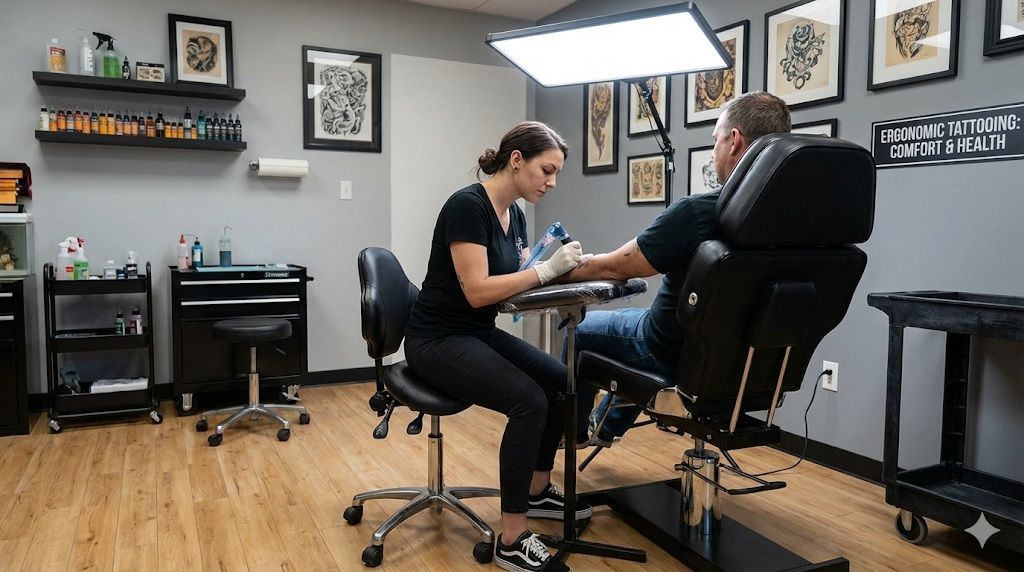
A tattoo session can feel exciting and intimidating at the same time. For many people, it marks a personal milestone. Yet the experience depends on preparation, mindset, and the professionalism of the studio. When these factors align, the session becomes smooth, controlled, and memorable for the right reasons.
Understanding what happens before, during, and after the session helps remove unnecessary stress. A calm approach, combined with proper guidance from an experienced artist, often makes the difference between a difficult session and a comfortable one.
Preparation Begins Before the Tattoo Machine Starts
A smooth tattooing experience rarely begins in the chair. It starts days earlier with proper preparation.
Hydration and rest matter more than most people expect. Well-hydrated skin responds better during tattooing. Artists often mention that hydrated skin allows ink to settle more consistently. Sleep also plays a role. A tired body becomes more sensitive to discomfort. A full night of rest helps the body stay calm and stable during the session.
Other preparation steps include:
- Avoid alcohol for at least 24 hours
- Eat a balanced meal before the appointment
- Wear loose clothing that exposes the tattoo area
- Discuss allergies or skin sensitivities with the artist
These small steps help both the client and the artist maintain a steady process.
Choosing a Skilled Tattoo Artist and Studio
The artist's expertise defines the quality of the experience. Clean equipment, professional communication, and artistic skill all contribute to trust.
A responsible studio follows strict hygiene practices. Sterile needles, disposable gloves, and clean surfaces are not optional. They are the baseline standard.
Clients often overlook the consultation stage. But this stage matters. During consultation, the artist studies skin type, tattoo size, and placement. This ensures the design works well with the body’s natural contours.
For aspiring artists or studio owners researching equipment, many professionals suggest carefully evaluating machines before making decisions, such as when looking to buy tattoo gun Australia. Equipment quality influences stability, vibration, and precision during tattooing.
Managing Pain Without Stress
Pain tolerance varies from person to person. But several methods reduce discomfort during a tattoo session.
First, breathing rhythm helps maintain calmness. Slow breathing stabilizes the body and reduces muscle tension. Tense muscles make tattooing harder.
Second, many studios now use supportive solutions like tattoo pain relief spray. These sprays temporarily numb the area and allow longer sessions without excessive discomfort.
But pain management also involves mindset. People who understand the process often experience less anxiety. And less anxiety usually means less perceived pain.
Placement also affects sensation. Areas with thicker muscle and fat layers tend to feel less intense compared to areas close to the bone.
Communication During the Session
One overlooked factor in a comfortable tattoo session is communication.
Professional tattoo artists encourage open conversation. Clients should speak up if they feel dizzy, tired, or uncomfortable. Short breaks help both the artist and the client maintain accuracy and focus. A relaxed environment matters too. Some studios play music or maintain casual conversation to ease tension.
Small breaks for water or stretching can reset the body during long sessions. These pauses prevent fatigue and help the artist maintain steady line work.
Aftercare Determines the Final Result
Many people assume the tattoo session ends when the ink work finishes. In reality, aftercare plays a major role in the outcome.
Proper aftercare protects the skin while it heals. Following the artist's instructions reduces infection risk and preserves ink clarity.
Standard aftercare practices include:
- Keeping the tattoo clean
- Applying the recommended ointment
- Avoiding direct sunlight during healing
- Avoiding swimming pools or excessive sweating
Healing usually takes two to four weeks, depending on size and skin type.
A Calm Approach Creates the Best Experience
A smooth tattoo experience rarely happens by accident. It results from preparation, trust in the artist, and understanding the process. When clients arrive informed and relaxed, artists can focus entirely on their craft.
The result is better artwork, smoother sessions, and a tattoo that heals exactly as intended. Tattoos carry stories. And the process of getting one should feel just as meaningful as the design itself.